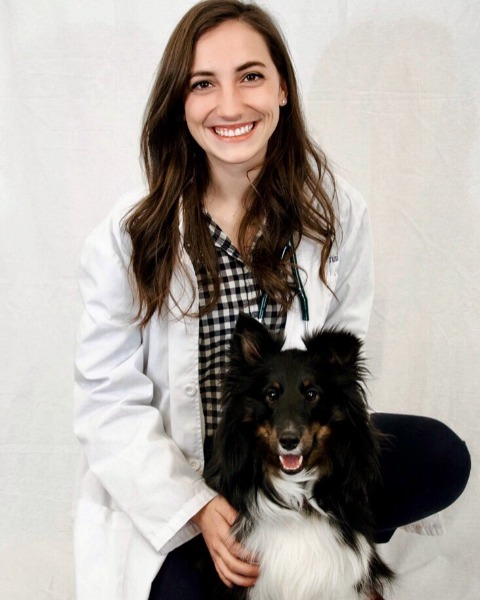
Neurology Resident Cummings School of Veterinary Medicine at Tufts University Worcester, MA, United States
Abstract:
Background: Meningoencephalomyelitis of unknown etiology (MUE) encompasses a group of idiopathic and non-infectious inflammatory diseases affecting the central nervous system (CNS). Procarbazine is a recognized therapeutic option for MUE able to cross the blood brain barrier, but limited data exist regarding its effectiveness in dogs.
Objectives: To elucidate the clinical outcomes and side effects in dogs with a clinical diagnosis of MUE treated with procarbazine and prednisone.Animals: 67 client owned dogs.
Methods: Retrospective study of dogs treated for presumptive MUE with prednisone (median dose 2.4 mg/kg/day) and procarbazine (median dose 40.2 mg/m2) between the years of 2009 and 2020.
Results: Treatment with prednisone and procarbazine resulted in a median survival time of 1923 days (range 45-3026 days). At the time of data collection, 27/67 (40.2%) of dogs had spontaneously died (n=1) or been euthanized (n=26). The cause of death included MUE (n=8), side effects (n=5), other (n =10), and unknown cause (n=4). Blood dyscrasias were the most common side effect occurring in 37/67 of dogs (55.2%) with 4/67 (6.0%) being euthanized due to significant myelosuppression. Suspected retinal degeneration was identified in 9/67 (11.9%) of dogs. Conclusions and clinical importance: These results suggest that teatment with prednisone and procarbazine may provide prolonged survival in some dogs with MUE. Blood dyscrasias were the most common side effect and underscore the need for frequent blood work and clinical monitoring in dogs treated with procarbazine. This study identified retinal toxicity as a possible side effect of procarbazine not previously reported in dogs.